Young Artists of the Upper Valley featured in new "Primary Sources" Exhibition at Enfield Shaker Museum

Claire Geno • July 1, 2026

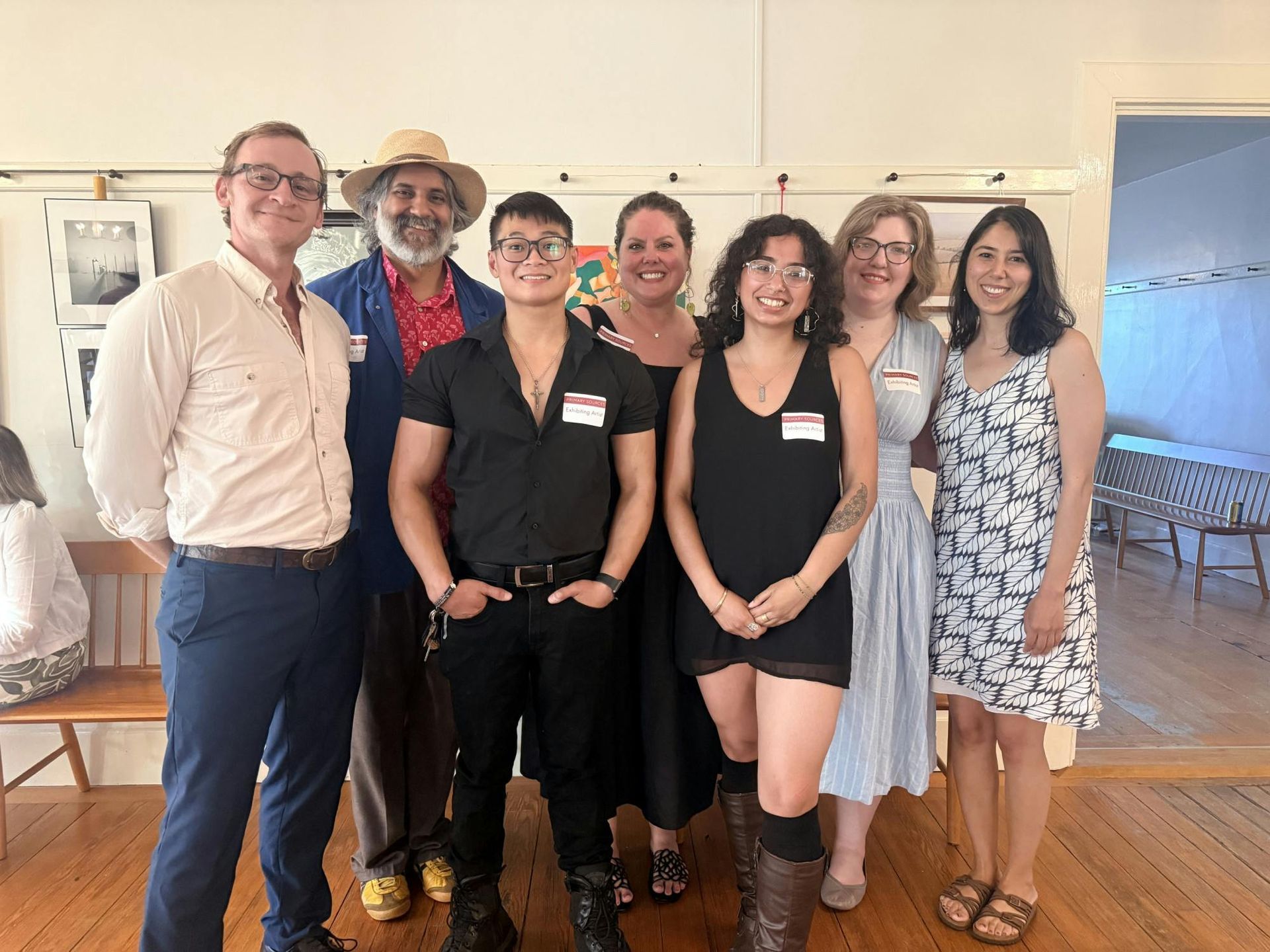
Over the past four months, we have embarked on this project through the collaborative efforts of many talented young and upcoming artists. Together, we are proactively growing a colorful community of creators that I believe has earned its spotlight in the art scene in the Upper Valley.

- Nicholas Cain
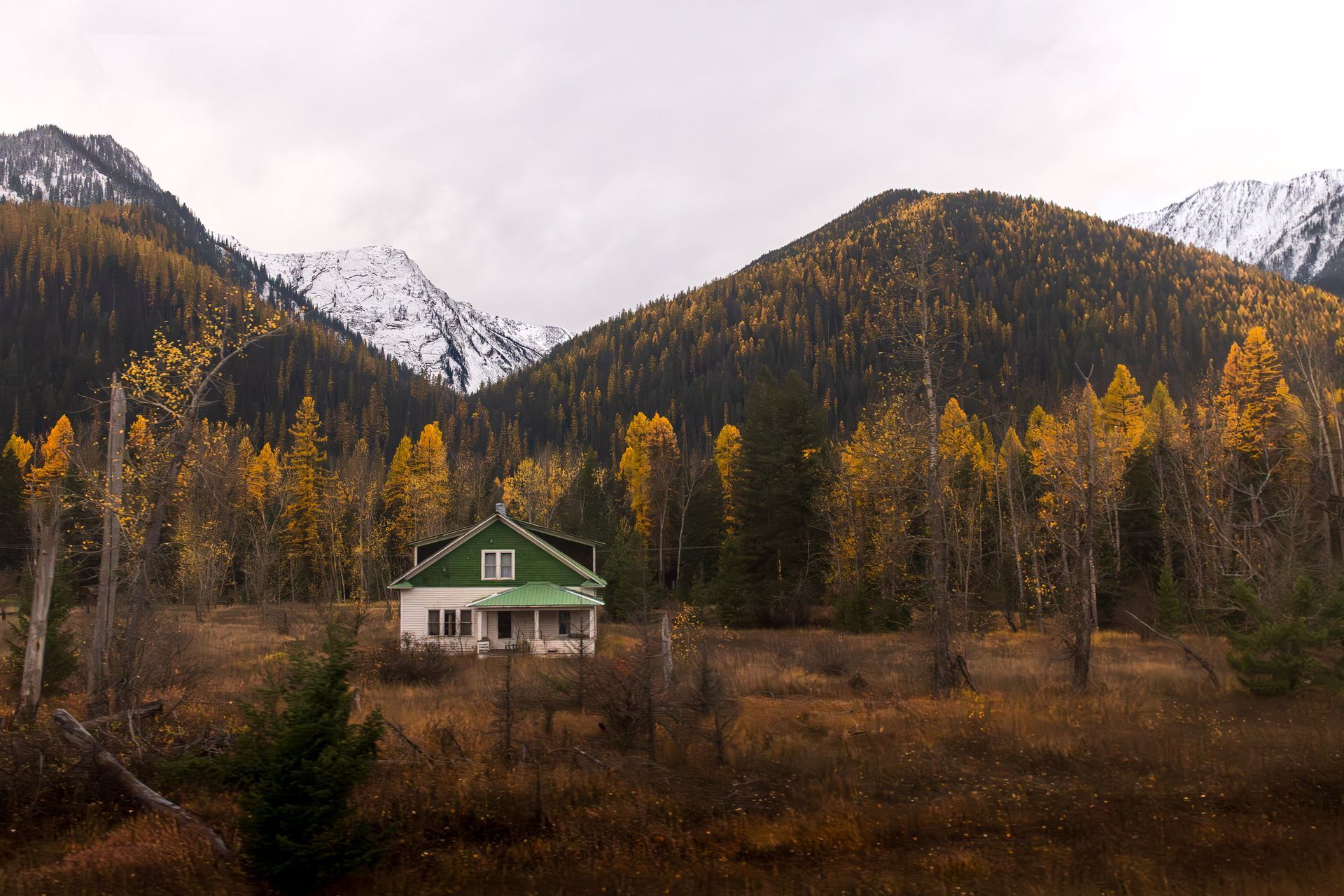
Image credits: top: Sarah Maxell Crosby, Late Sun on Wheat Fields; Above, Jeff Dietrich, Empire Builder Headed East


This July, the historic Great Stone Dwelling at the Enfield Shaker Museum will come alive with the vibrant perspectives of the region's next generation of creators. AVA Gallery and Art Center’s Young Artist Meetup (YAM!) group, in partnership with Enfield Shaker Museum, is thrilled to present Primary Sources: Young Artists of the Upper Valley, a month-long exhibition hosted at the Enfield Shaker Museum.


Nicholas Cain, a local artist and leader of AVA’s YAM! group, highlighted the collective dedication driving the exhibition. “Over the past 4 months, we have embarked on this project through the collaborative efforts of many talented young and upcoming artists," Cain shared. “Together, we are proactively growing a colorful community of creators that I believe has earned its spotlight in the art scene in the Upper Valley.”


The exhibition showcases inspiring, original works by local artists and offers visitors a chance to engage with fresh contemporary talent set against the backdrop of one of the Upper Valley's most historic landmarks. 


“This collaboration between Enfield Shaker Museum and the Young Artists Meetup from AVA Gallery underscores our shared commitment to fostering community and supporting the next generation of creative voices in the Upper Valley," says Jennifer French, Hospitality Manager at Enfield Shaker Museum. "Bringing the vibrant, contemporary energy of these young local artists into our historic Great Stone Dwelling creates a beautiful dialogue between the past and the future."


Reflecting on the show, AVA Executive Director Lars Hasselblad Torres offered, “‘Primary Sources’ is such a fitting title for this first show of the YAM! group—a beguiling exploration of time of life and subject matter. I’m really grateful that AVA can support young artists in partnership with spectacular venues like the Enfield Shaker Museum. I think everyone who sees the show will be greatly rewarded.”


To celebrate this unique collaboration, the public is invited to an opening reception on Saturday, July 11, 2026, from 6:00 PM to 8:00 PM at the Great Stone Dwelling at the Enfield Shaker Museum. The opening reception is free to attend and offers a wonderful opportunity to meet the artists, discuss their inspirations, enjoy live music and refreshments, and support the local arts community. Most works are available for purchase, with proceeds supporting the artists and Enfield Shaker Museum.
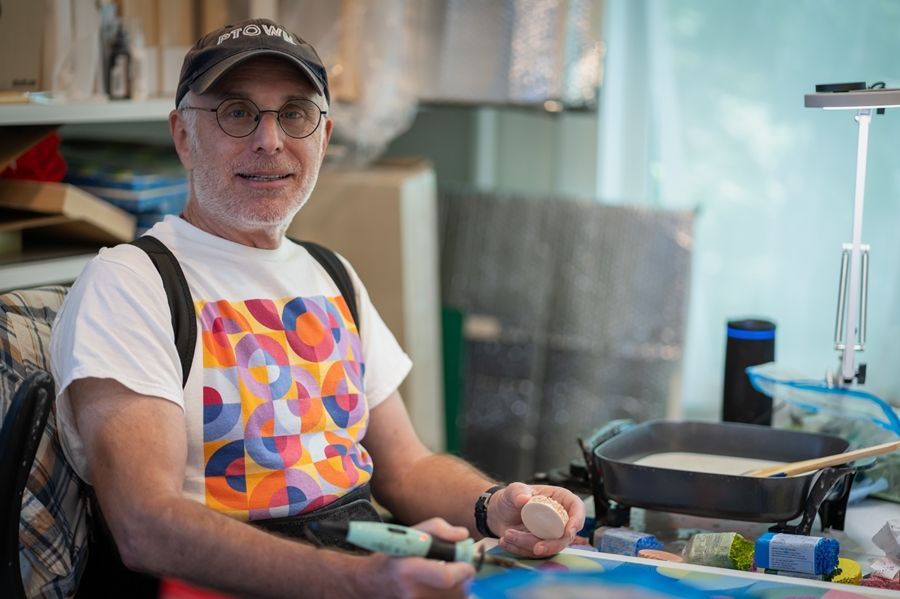
Jackie Brown Installing Sculpture
By Peili Heitzman April 30, 2026
Jackie Brown After a long trek from Maine and the exciting frenzy of her exhibition install, exhibiting artist Jackie Brown sat down with us in AVA’s Rebecca Lawrence Gallery to share her journey as a ceramicist. Brown’s experimentation with form, material, and process has been an evolving practice through which she has reflected and investigated her world in flux. Changes in seasons, the environment, growth, decay, petrification, come to life in her sculptures. As much as they tell a story about our natural world, her work reflects the artist’s innovation with 3D modeling, molds, and AI technology that have become fundamental tools in her work. At the intersection of nature and technology, Brown’s work is intricate and otherworldly. Her exhibit “Fault Lines and Foundations” will be on view at AVA until May 23rd, she will also be hosting an artist talk on May 23rd from 3-4. You won’t want to miss it! Peili Heitzman: When did you first start making art? Jackie Brown: I was always interested in making art, you know, as a kid and growing up, but it was in college. I first started taking art classes, sculpture classes, ceramic classes, and making art in a more serious way and thinking about the possibility of pursuing a life as an artist and what that might look like, and if that might be possible. PH : Can you tell us about your journey to clay? JB: I went to Hamilton College for undergrad and they had an amazing ceramics program. So that was where I sort of first became fascinated by ceramics and all the different ways that it can be used and explored and I really loved the way it was challenging. I knew I would never be bored working with clay and ceramics. There was always more to learn about – the chemistry, the processes, the different states of the clay, the different temperatures and kinds of clay and firing processes. I love the challenge of it, and I love how broad and vast it is. PH : Can you talk about your process of creating sculpture with clay? And then can you talk about your process and the 3D printing element? JB: I would say clay, it's the material I keep coming back to as an artist. Because it is so malleable and it's a shape shifter and it has this limitless potential to change and transform. And so, I really love that about it, and then that informs how I approach the process. I work a lot with molds, clay will mimic anything, so I make a lot of plaster and silicone molds where I can produce multiples. But then, because clay is wet and malleable, I can combine parts while the clay is still wet, and I can work with lots of molds and then replicate the same parts over and over again but then combine them in endless variations. So, I love having these constants and these variables. 3D printing became another way to create parts. When you make a mold, you can replicate the same part repeatedly, and when you 3D print you can as well replicate parts, but because of the process- 3D printing extrudes clay- so it's different every time; clay has a mind of its own. I love that potential to replicate these parts and play and then combine them in different ways. Because of the malleability of the clay, I can squish parts together, I can push from the inside out, I can combine parts while they're wet, I can fuse parts together in the kiln. There's all this different potential for transformation. PH : Your work revolves around exploring geological change in living systems. Is there a specific place you've been to or lived in that inspired this curiosity and exploration of nature? JB: I don't know if there's a specific place but spending a lot of time outside. And there's something about New England. I grew up in New England; there's something about the seasons here. There's something about being in one place, year after year, and watching those small, subtle changes of growth in transformation, occur and recur. PH: Much of your process intersects human creation with technology. How has the collaboration with technology in AI transformed or changed your process? JB: For me, it just feels like more possibilities. I think of AI as a tool, the same way I think of a band-saw as a tool or a car as a tool. I'm interested in how those tools can allow for different possibilities. Multiple tools augment and expand the possibilities within an experimental process. PH: Can you recall a piece of advice you received from a teacher or mentor that has stuck with you today? JB: There are so many! One is to just get out of your own way. For me, if I plan too much or get to set on how something's going to come out, I tighten up, and I become a perfectionist. And so, I created strategies in my process that allow me to experiment and discover form rather than preconceive the form. That's a way of getting out of my own way. PH: As a teacher yourself, what advice would you give to a young artist, emerging in the art world today? JB: To engage in process and to build a relationship with your work, because that's what will sustain you. If you have genuine creative practice that you're nurturing, you'll be able to weather any storms that come at you. And to resist that urge to feel like you must constantly be churning out and sharing new things on social media or out in the world. Give things the time they need to take shape
By Travis Paige March 24, 2026
Please enjoy this video clip provided by WCAX-TV, featuring Lebanon High School art students and AVA’s Curatorial Assistant, Peili Heitzman. The18th annual exhibition of regional high school artwork features more than 100 works by emerging artists from 14 regional schools across the Upper Valley. The exhibition runs through March 28, 2026. Each year, AVA invites art faculty from Vermont and New Hampshire high schools to nominate students who demonstrate exceptional promise in their creative work. The exhibition brings together and puts the spotlight on young artists working across multiple disciplines including ceramics, drawing, mixed media, painting, photography, sculpture, and wearable art. These young artists are pushing boundaries, experimenting with materials, and making art that challenges and inspires us. We’re excited to celebrate their achievements and show our community what the next generation is capable of. Participating schools include Cardigan Mountain School, Hanover High School, Hartford High School, Kimball Union Academy, Lebanon High School, Mascoma Valley Regional High School, New England School of the Arts, Proctor Academy, Rivendell Academy, The Sharon Academy, Stevens High School, Thetford Academy, Windsor High School, and Woodstock Union High School. 
By Lars Hasselblad Torres February 20, 2026
JOIN OUR CREATIVE COMMUNITY.